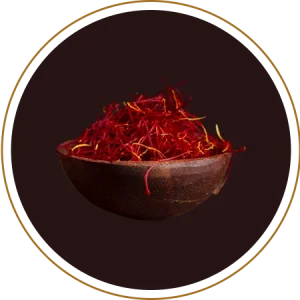
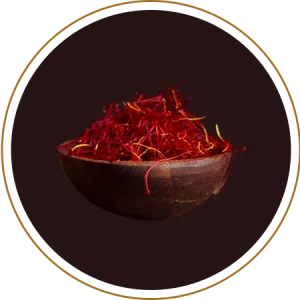
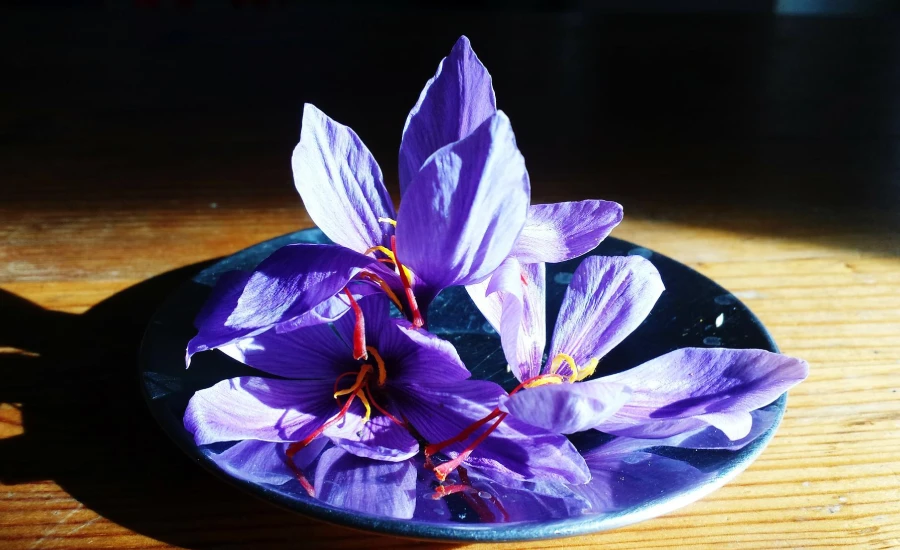
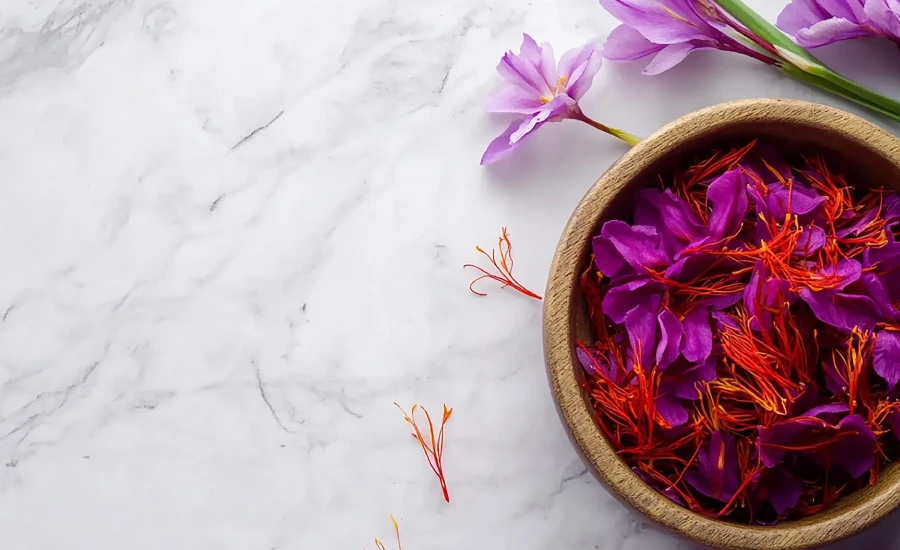
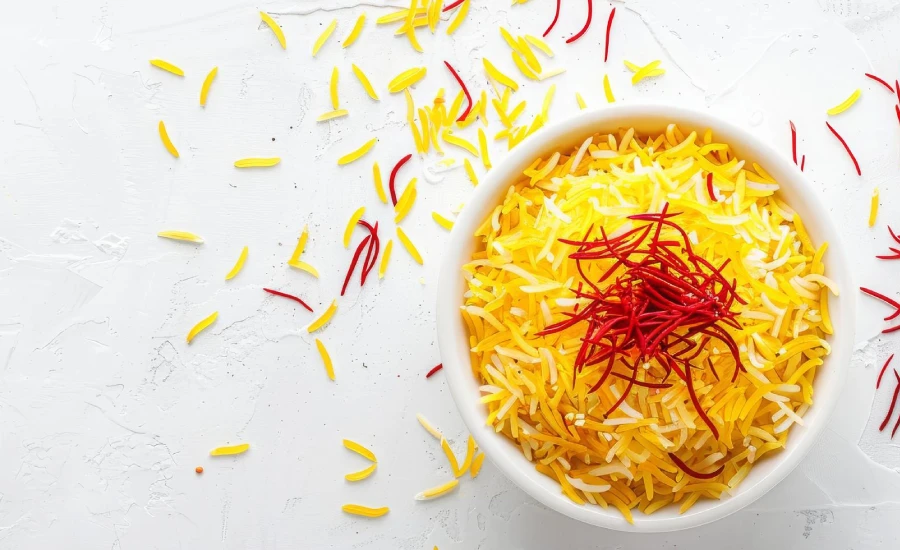
Saffron is one of the oldest and most expensive spices in the world. It is known by its nickname “Red Gold”. Extracted from the buds of the violet saffron flower. It is carefully dried and used in cooking, traditional medicine, and cosmetology. Saffron is not only distinguished by its bright color and unique taste. Not only that, but its amazing health benefits have made it an essential ingredient in many cultures.
Nutritional value of saffron
Saffron is rich in potent natural compounds such as crocin, safranal, and picrocrocin. It is responsible for its bright color. His special flavor. And its aromatic smell. Saffron also contains antioxidants. Vitamins such as B2 and B6. and minerals such as iron, manganese, and magnesium.
Health Benefits of Saffron
Improving Mood and Fighting Depression
Studies have shown that saffron has antidepressant properties. Some researchers have called it a “natural antidepressant”. Consuming saffron in moderate amounts helps improve mood and reduce anxiety and stress.
Promote heart health
thanks to its antioxidant content. Saffron helps reduce LDL cholesterol levels and improves blood circulation. This contributes to strengthening the heart and preventing cardiovascular disease.
Improving memory and brain function
Scientific research suggests that saffron may help boost mental abilities. and improve concentration. and even preventing diseases like Alzheimer’s. Especially in the elderly.
Relieving Menstrual Symptoms
Many women use saffron to relieve menstrual pain and associated mood swings. due to its calming and natural effect.
Anti-cancer
The crocin in saffron has anti-cancer cell growth effects. This makes it a promising ingredient in future medical research on cancer control.
Traditional and cosmetic uses
In addition to its health benefits. Saffron is used in natural cosmetics to lighten the skin. Uniformity of color. and reduce pigmentation. It is also included in hair care recipes to strengthen hair and prevent hair loss.
Warnings and dosages
Despite the many benefits of saffron. It should not be overused. High doses can lead to side effects such as nausea or allergic reactions. The recommended daily dose usually does not exceed 30 mg.
Conclusion
Saffron isn’t just a fancy spice that adds flavor to food. It is a treasure trove of health benefits. In moderation. Saffron can be an effective addition to a healthy and natural lifestyle.